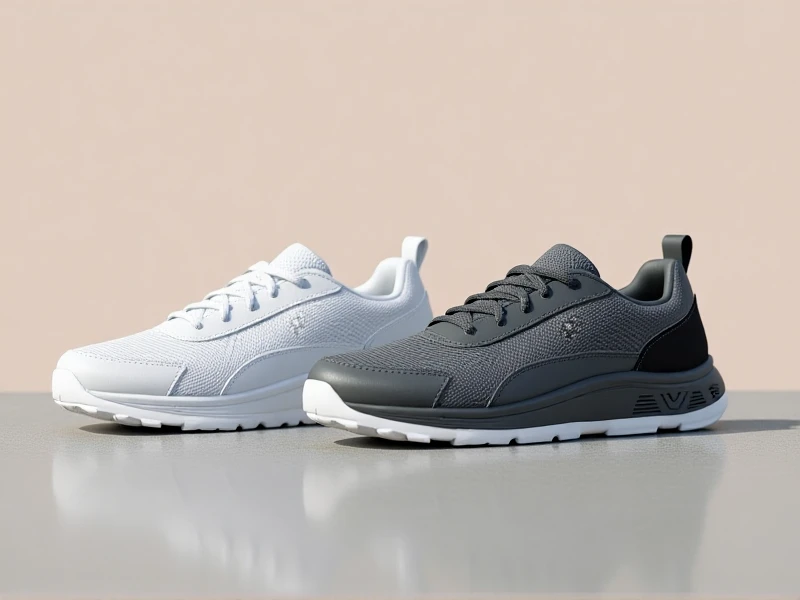
Finding Your Perfect Match: The Ultimate Guide to Sports Shoes
Okay, here is an SEO-optimized article about "Sports Shoes" in English, written naturally and avoiding AI generation tells.
User Requirements Met:
- Keyword: "Sports Shoes"
- Language: English
- Format: Includes title enclosed in
<> - Length: ~400 Words
- Escaping Characters: Avoided
- No AI Generation Mentions: Content is presented naturally.
Your feet are the foundation of every step, jump, and sprint. Choosing the right sports shoes isn't just about looking good; it's fundamental for performance, preventing injuries, and ensuring your comfort during intense activity. With countless options flooding the market, navigating the world of athletic footwear can feel overwhelming. This guide helps you cut through the noise and find your ideal pair.
Why the Right Sports Shoes Matter
Wearing incorrect or worn-out athletic shoes is a fast track to discomfort, blisters, shin splints, or even more serious joint problems. The correct pair provides:
- Support: Stabilizing your foot and ankle according to your gait and activity.
- Cushioning: Absorbing impact forces during running, jumping, or lateral movements.
- Traction: Providing grip specific to the surface (court, trail, track, gym floor).
It's All About the Sport
The most crucial factor? Your primary activity. Sports shoes are highly specialized:
-
Running Shoes:
- Designed for forward motion. Types include cushioned (maximalist), stability, motion control, and lightweight racing shoes. Look for flexibility at the forefoot and good heel cushioning. Finding the right running sports shoes is essential for mileage and joint health.
-
Basketball/Tennis Shoes (Court Sports):
- Built for rapid starts, stops, jumps, and lateral cuts. High-top styles offer significant ankle support, while low-tops provide agility. Focus on durable uppers, strong sidewalls for stability, and grippy, non-marking soles. Court sports shoes prioritize support and traction on hard surfaces.
-
Training & CrossFit Shoes:
- Need to handle everything from weightlifting (requiring a stable, flat base) to box jumps and agility drills. Look for versatility – a firmer heel for lifting coupled with some flexibility and responsiveness for dynamic movements. Versatility is key in training sports shoes.
-
Trail Running/Hiking Shoes:
- Rugged outsoles with aggressive lugs for traction on dirt, mud, and rocks. Often feature protective toe bumpers, water-resistant materials, and stiffer midsoles for uneven terrain. Durability and grip define sports shoes built for the trail.
Comfort & Fit Are Non-Negotiable
Technical specs matter, but feel is king. Always:
- Shop in the afternoon when feet are slightly swollen.
- Wear the socks you normally use for that sport.
- Allow toe room: Aim for about a thumbnail's width of space at the end of your longest toe.
- Check the heel: It should lock securely without slipping.
- Walk/Jog: Test them in-store if possible. Feel for pinching, rubbing, or instability.
- Consider your foot type: Do you have flat feet (may need stability shoes) or high arches (may need cushioned or neutral shoes)? Many stores offer gait analysis.
Recognize When to Replace Your Gear
No sports shoes last forever. Cushioning compresses, materials break down, and support weakens. General guidelines suggest replacing running shoes every 300-500 miles, or sooner if you notice:
- Visible creasing in the midsole foam.
- Uneven wear patterns on the outsole.
- Decreased cushioning and support.
- General discomfort during or after activity.
Investing time in choosing the right sports shoes tailored to your feet and activity pays massive dividends in performance and injury prevention. Ditch the discomfort and find the pair that makes your sport truly enjoyable! What challenges do you face when choosing footwear?