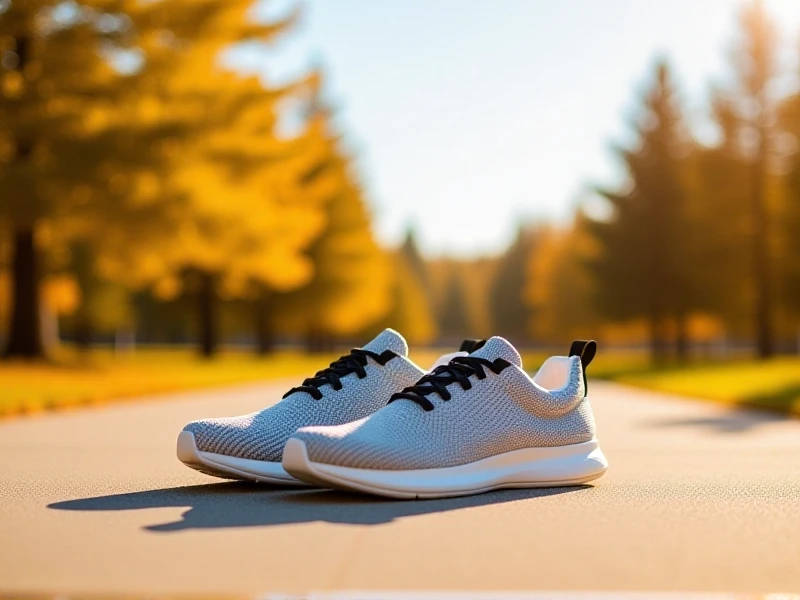
The Ultimate Guide to Sports Shoes: Performance, Comfort & Finding Your Fit
Sports shoes are far more than just athletic gear; they're foundational tools impacting performance, safety, and comfort during any physical activity. Whether you're hitting thesports shoes realm, understanding the nuances can significantly elevate your experience, whether you're a seasoned athlete or a weekend walker.
Why the Right Sports Shoes Matter
Choosing the proper sports shoes transcends simple aesthetics. Ill-fitting or worn-out footwear is a primary culprit behind common injuries like plantar fasciitis, shin splints, stress fractures, and ankle sprains. The correct pair provides crucial support tailored to your foot’s natural motion, absorbs impact shock across concrete or trails, and stabilizes your stride. This translates directly to enhanced comfort, allowing you to push harder and longer while significantly reducing injury risk.
Key Features Defined
Modern sports shoes boast sophisticated technologies:
- Midsole Cushioning: This core layer provides impact absorption and energy return. Materials like EVA foam, PU, or proprietary mixes (e.g., Nike Air, Adidas Boost) offer varying feels from soft and plush to firm and responsive.
- Outsole & Traction: Rubber compounds and specific tread patterns designed for surfaces – deep lugs excel on trails, while smoother patterns offer grip on pavement or court surfaces.
- Upper Construction: Engineered mesh promotes critical breathability while strategic overlays provide structure and support. Fit systems like Flyknit or Primeknit offer adaptive, sock-like comfort.
- Support Systems: Features like medial posts (for stability shoes) and heel counters control undesirable inward rolling (pronation), crucial for injury prevention.
Finding Your Ideal Pair
- Know Your Activity: Running, trail hiking, basketball, tennis, cross-training? Each demands specific features – runners prioritize cushioning and forward motion, while court shoes need lateral support.
- Understand Your Foot & Gait: Consider your arch type (neutral, high, low/semi-flat) and pronation (neutral, overpronation, and supination). Analyzing your wear patterns on old shoes or getting a gait analysis helps immensely. Stability shoes aid moderate overpronation; motion control is for severe overpronation; neutral cushioning suits neutral gaits or high arches needing shock absorption.
- Fit is Paramount: Always try shoes in the afternoon when feet are largest. About a thumb's width (roughly 1/2 inch) should exist between your longest toe and the shoe's end. Your heel should sit snugly without slipping. Walk or jog in the store.
- Comfort Over Hype: Popular styles are tempting, but your individual comfort and support needs are paramount. Don't compromise fit for fashion.
- Replace Timely: Even the best sports shoes degrade. Replace them every 300-500 miles or when you notice significant midsole compression, worn-out tread, or discomfort. Worn shoes lose their critical protective qualities.
Choosing the right sports shoes is an investment in your health and performance. Prioritize function, understand your needs, and ensure a meticulous fit. The perfect pair fuels longer, stronger, pain-free pursuits and unlocks your full potential on the track, trail, or court. Always shop smart and step with confidence.